April 30, 2026
Outdoor spaces take on a completely different character once the sun sets, and the thoughtful use of landscape lighting plays a major role in that transformation. Beyond simple visibility, lighting shapes how a property feels at night, adding depth, contrast, and atmosphere. Whether highlighting architectural features, guiding guests safely along walkways, or creating a relaxing backyard setting, the right lighting approach can elevate both form and function. With so many fixture types available, understanding how each one works helps homeowners make better decisions that align with their goals and the layout of their space.
Advancements in technology have also made landscape lighting more accessible and practical for everyday use. According to This Old House, Most modern landscape lighting systems use low-voltage power that operates on 12 volts, which is safer and more cost-effective than traditional 120-volt systems. This shift has made installations easier to manage while reducing energy usage and long-term costs. As a result, homeowners can experiment with different lighting styles and placements without the same level of complexity that older systems required, opening the door to more creative and functional outdoor designs.
Path Lights
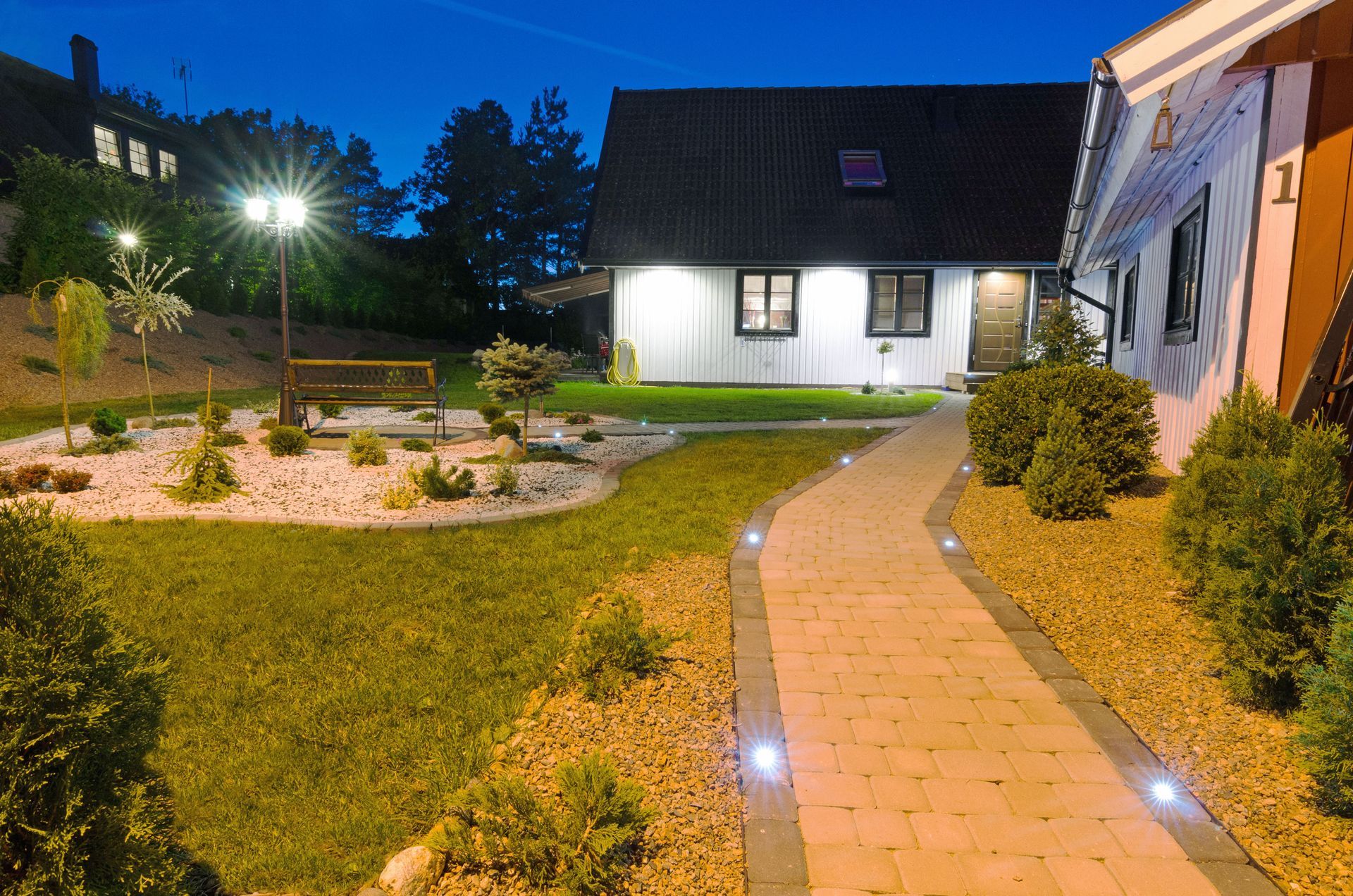
These lights bring both structure and subtle illumination to outdoor walkways, helping define routes while adding a warm visual element. These fixtures are typically designed with downward-facing light to reduce glare and create a soft, even glow across the ground. Their appearance ranges from modern and minimal to decorative and traditional, allowing them to blend seamlessly into different landscape styles. As a foundational part of landscape lighting, path lights help establish a cohesive nighttime look.
Placement plays a key role in how effective path lights are. Even spacing along walkways provides consistent illumination, helping prevent uneven patches of light and shadow. Instead of placing them directly along the edge, positioning them slightly offset can create a more natural appearance while keeping pathways clearly visible. For curved paths or garden trails, staggered placement often works best, following the natural flow of the space and enhancing its visual rhythm.
Material selection also affects how well path lights perform over time. Metals like brass and copper develop a natural finish as they age, while stainless steel offers a cleaner, more contemporary look. In areas with higher moisture levels, choosing corrosion-resistant materials helps maintain both function and appearance. With the addition of LED or solar-powered options, path lights remain an efficient and practical component of any landscape lighting plan.
Spotlights
Whether used to illuminate a tree, sculpture, or architectural detail, they create strong focal points that stand out against darker surroundings. These adjustable heads allow for precision, giving homeowners control over direction and intensity. This flexibility makes spotlights a valuable addition to layered landscape lighting designs.
Positioning spotlights correctly can dramatically change how a feature is perceived at night. Placing them at ground level and angling upward emphasizes height and texture, making trees and structures appear more prominent. Alternatively, positioning them slightly away from the target can soften the effect and create a more diffused glow. The goal is to highlight without overwhelming, allowing each element to stand out naturally within the overall lighting scheme.
Durability is another important factor when selecting spotlights. Since they are often exposed to the elements, materials like aluminum and coated metals help extend their lifespan. LED technology enhances efficiency while reducing maintenance needs, making spotlights a long-term solution for focused illumination. When used thoughtfully, they add depth and contrast that elevate the entire landscape lighting arrangement.
Flood Lights
These lights provide broad, powerful illumination, making them ideal for covering larger outdoor areas. Unlike more focused fixtures, they spread light across wide spaces, improving visibility for driveways, yards, and open landscapes. Their strength lies in their ability to brighten expansive areas with minimal fixtures, making them a practical component of landscape lighting systems that prioritize coverage.
Strategic placement is essential to avoid overly harsh lighting. Mounting flood lights at elevated positions and angling them downward helps distribute light more evenly while minimizing glare. When used for security purposes, placing them near entry points or darker corners can improve visibility without creating unnecessary brightness in other areas. Balancing coverage with comfort is key to achieving a functional result.
Modern flood lights often incorporate LED technology and motion sensors, reducing energy consumption while maintaining performance. Durable materials such as aluminum housings and tempered glass lenses help them withstand outdoor conditions. When integrated carefully, flood lights contribute both practicality and efficiency to a well-rounded landscape lighting design.
Deck Lights
These lights on a deck enhance outdoor living spaces by adding both visibility and ambiance to areas designed for relaxation and gathering. These fixtures are often built into steps, railings, or deck surfaces, providing illumination without drawing attention to the source itself. Their low-profile design allows them to blend into the structure while supporting the overall landscape lighting layout.
Placement typically focuses on areas where safety matters most, such as stairs and edges. Installing lights along risers or beneath railings helps define boundaries and improve navigation after dark. At the same time, subtle lighting around seating areas can create a comfortable environment that encourages longer use of the space during evening hours.
Materials used for deck lights must handle exposure to weather and foot traffic. Options like stainless steel, aluminum, and durable composites provide both resilience and style. Energy-efficient LEDs and solar-powered designs further enhance their practicality. As part of a broader landscape lighting approach, deck lights contribute to a welcoming and functional outdoor atmosphere.
Step Lights
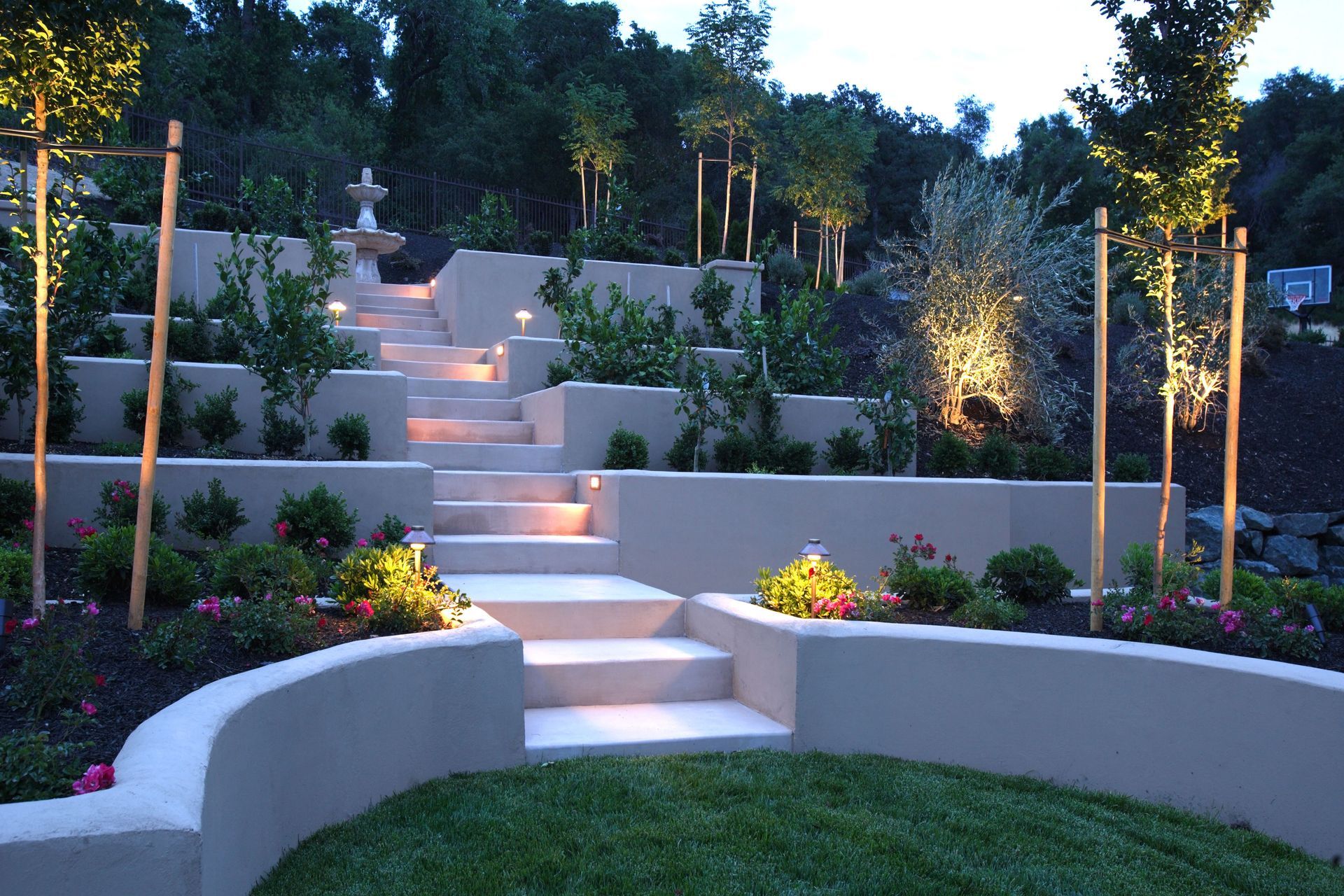
These lights focus on improving safety while adding a polished look to stairways and elevation changes. Designed to cast light evenly across each step, they reduce the risk of missteps while maintaining a clean appearance. Their compact form allows them to integrate into walls or stair risers, making them an essential part of functional landscape lighting.
Consistent placement helps maintain both visibility and visual balance. Installing lights at regular intervals provides even coverage, preventing dark spots that could lead to accidents. Alternating placement from side to side can also create a more dynamic look while still maintaining effectiveness.
Durable construction is key for step lights, as they are often exposed to frequent use and outdoor conditions. Materials like coated metals and reinforced glass provide long-lasting performance. Combined with energy-efficient lighting options, they deliver both safety and style. As part of a comprehensive landscape lighting plan, step lights bring both practicality and visual refinement to outdoor spaces.
A well-designed outdoor lighting plan brings together multiple fixture types to create a balanced and visually appealing environment. Each fixture serves a specific purpose, from guiding movement to highlighting features and improving visibility. By combining path lights, spotlights, flood lights, deck lights, well lights, and step lights, homeowners can build a layered lighting system that enhances both usability and appearance. Thoughtful planning, proper placement, and durable materials all contribute to a cohesive and effective result that transforms outdoor spaces after dark.
If you are considering upgrading your outdoor setup, now is a great time to explore how
landscape lighting can reshape your property. With modern technology offering efficient and flexible solutions, it is easier than ever to create a space that feels both functional and inviting. Take the next step by evaluating your outdoor areas and identifying where lighting can make the biggest impact, then connect with a professional to bring your vision to life. Reach out to Emerald City Landscaping & Outdoor Lighting today.